

Facade cleaning – the house is like new! 🏡 ✨
The facade of a house is its face – the first thing that passers-by, guests and even buyers notice. A clean, well-maintained facade not only improves the visual image of a house, but also extends its service life, protects it from damage and maintains its value. Here’s why and how to clean the facade effectively and safely.
1. Why is facade cleaning important? 🧼
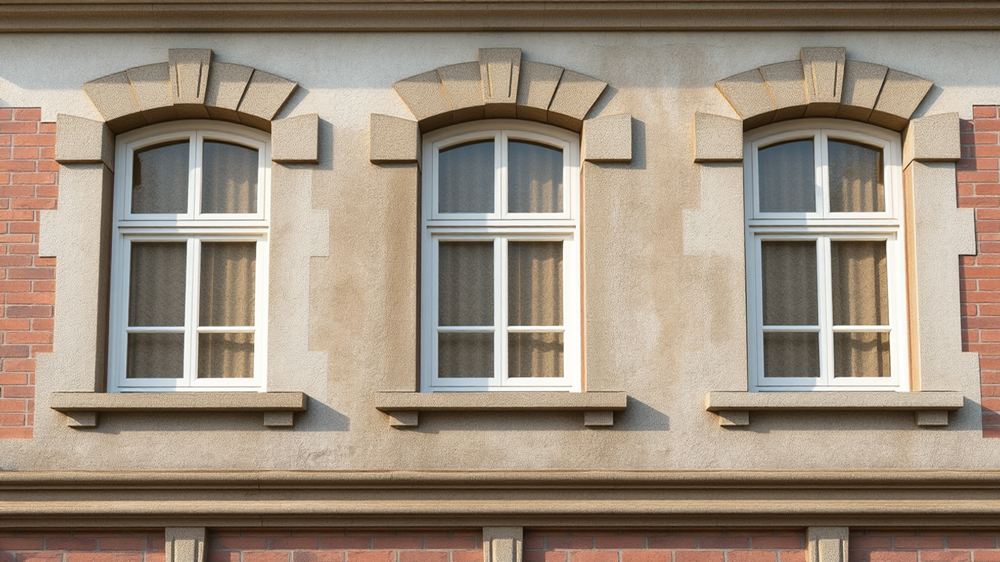
✔️ Aesthetics: A clean facade improves the overall appearance of the home and creates a positive impression.
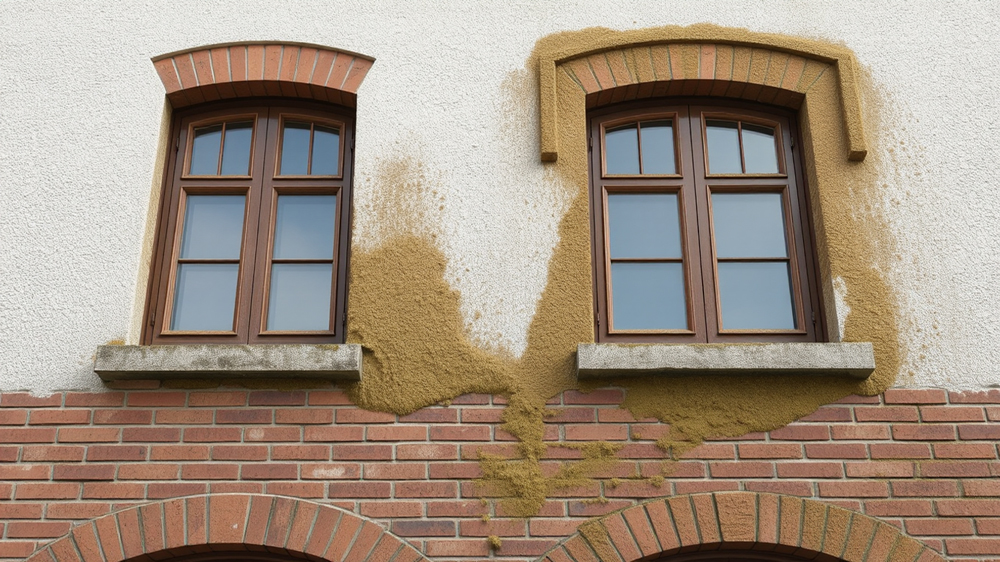
✔️ Protection: Dirt, mold, algae and fungi can damage plaster and paint coatings.
✔️ Longevity: Regular cleaning prevents material erosion and cracking.
✔️ Readiness for repainting or renovation: A clean surface is the basis for quality painting.
2. How often should the facade be cleaned? 📆
• Every 2–3 years , if the house is located in an area with little pollution
• Every year , if trees, forests or industrial environments are nearby
• Before facade painting or insulation work
3. What most often damages the appearance of a facade? 🌧️ 🌿
– Dust, exhaust fumes and urban pollution
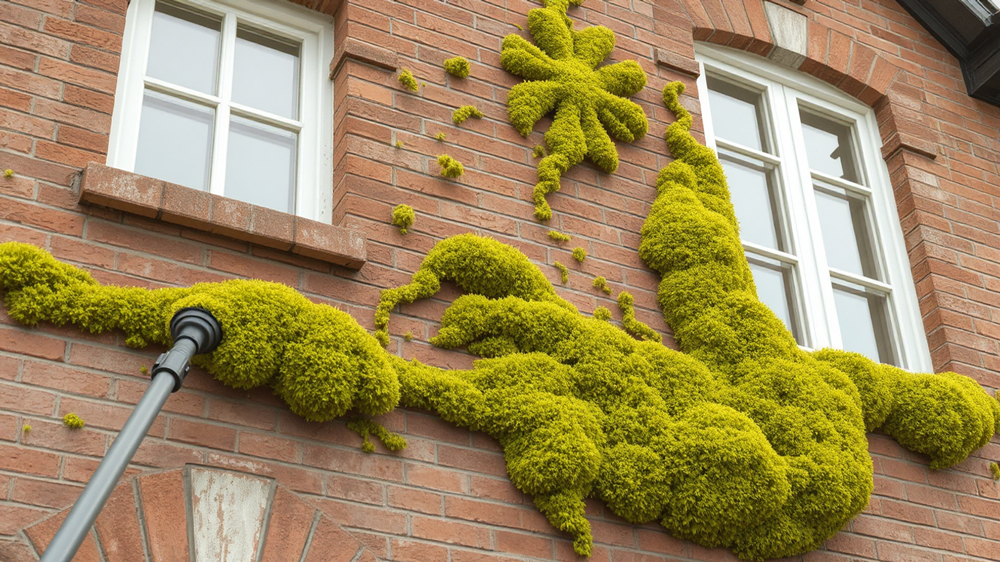
– Moss, lichens, mold and algae
– Pollen and bird droppings
– Rainwater runoff, rust stains and deposits around gutters
4. Facade cleaning methods 🔧
High-pressure washing (water jet)
+ Effective for removing dirt
– Use with care to avoid damaging plaster or paint
Tip: Use lower pressure for plaster or wooden facades
Soft wash
+ Chemical + low pressure
+ Ideal for moss and mold
– Rinsing time required
Tip: Use facade-friendly, biodegradable products
Manual washing
+ Precise, controlled cleaning for smaller areas
– More labor-intensive
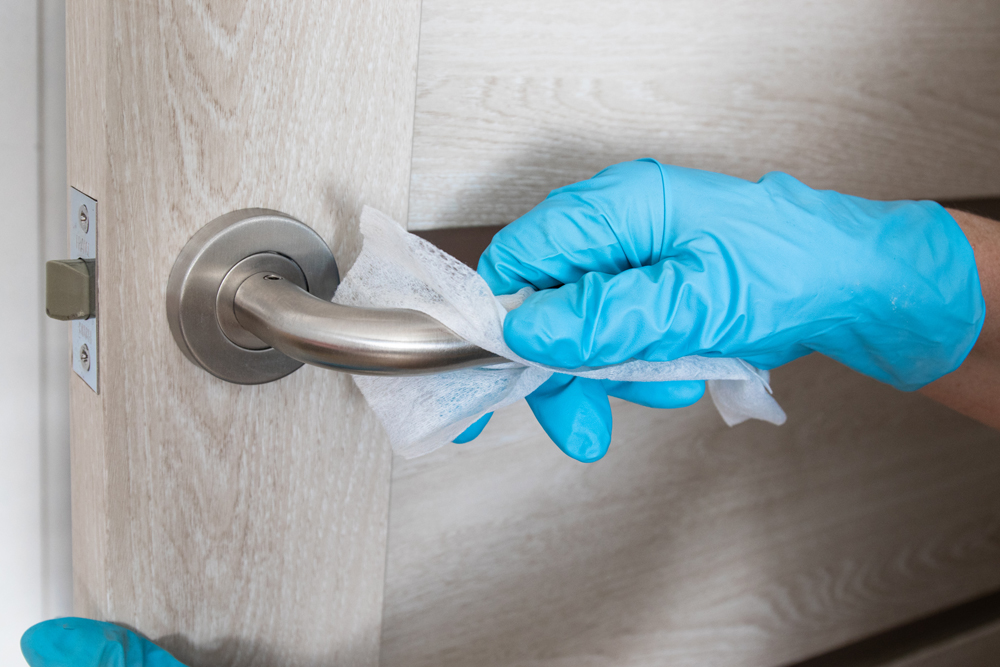
Tip: Useful for window frames, corners, door frames
5. Equipment needed for facade cleaning 🧰
• High-pressure washer or sprayer
• Soft brush with long handle
• Cleaning agent appropriate for the type of facade
• Safety glasses, gloves and work clothes
• Water supply and safe access options (ladders, scaffolding)
6. Safety tips ⚠️
• Do not use high-pressure equipment on damaged or old facades.
• Do not climb onto the roof or unstable surfaces without safety equipment
• Protects windows, sockets and ventilation openings from water
• Always test the product on a small area to avoid fading.
7. When to clean the facade? ⏳
In spring or early summer:
– No island
– Dirt has become more visible after winter
– The facade dries well
In autumn:
– Before wet and cold weather
– Preparation for the winter season
8. Additional tips for lasting results ✅
• Apply an algae and moss preventative
• Regularly clean gutters and window sills to prevent water leaks
• Choose a high-quality facade paint that repels dirt
• If the facade is very dirty or difficult to access – involve professionals
Conclusion
Facade cleaning is not just a visual improvement – it is an important part of home care, affecting its value, safety and lifespan. With regular maintenance and the right approach, your home will look fresh and tidy for years to come. A clean facade = a strong home!
