
Cleaning restaurants and cafes for a sterile environment
Cleanliness that encourages customers and ensures food safety 🍽️ ✨
In restaurants and cafes, cleanliness is not just a matter of aesthetics – it is the foundation of food safety, hygiene and the reputation of the company . Visitors trust the place where they eat. If the kitchen or hall is dirty, it not only scares away customers, but also poses serious risks of food poisoning and threats from STDs.
Here’s how to organize professional and sterile cleaning in a catering establishment, while adhering to both hygiene and legal requirements.
1. Why is a sterile environment mandatory? ❗
- Prevents food cross-contamination
- Reduces the spread of bacteria and mold
- Ensures compliance with food safety regulations (HACCP, PVD)
- Improves customer trust and company image
- Reduces odors, insects and rodents
2. Divide cleaning into zones 📍
In restaurants, each zone requires a different approach:
- Kitchen and food preparation areas
- Hall and customer service area
- Sanitary facilities
- Warehouse and cold storage
- Waste area
Each area should have separate cleaning equipment to prevent cross-contamination.
3. Daily cleaning tasks ✅
In the kitchen:
– Disinfection of work surfaces after each shift
– Washing floors with hot water and disinfectant
– Degreasing stoves, fryers, and ventilation hoods
– Washing utensils and boards according to color code (e.g. fish, meat, vegetables)
– Cleaning refrigerator and freezer handles and seals
In the hall:
– Disinfection of tables, chairs, menus
– Floor cleaning after each shift
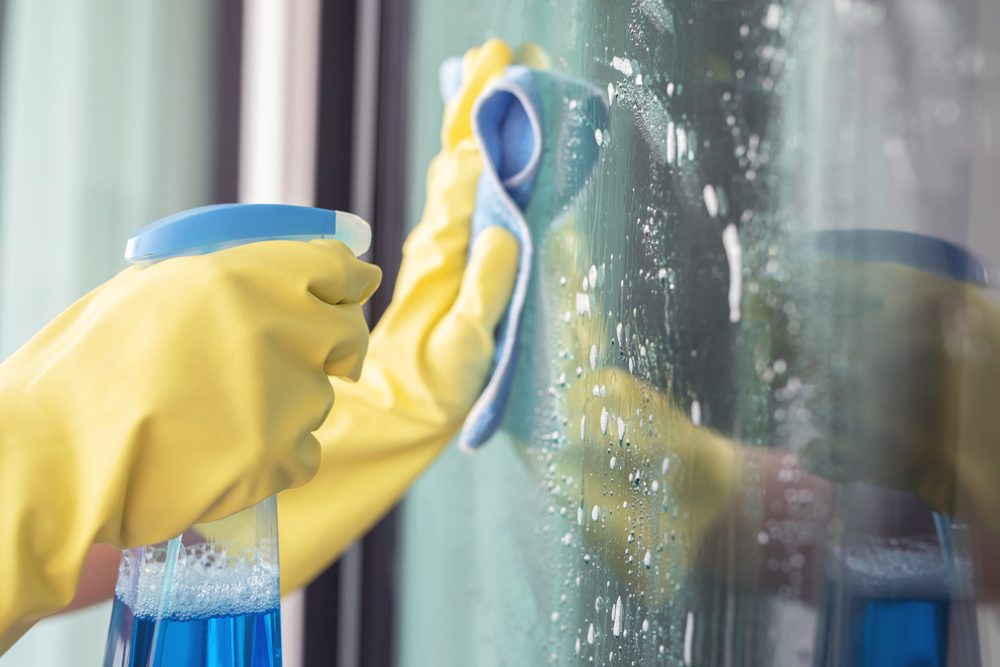
– Polishing windows, glass surfaces and handles
– Waste removal and container disinfection
In sanitary facilities:
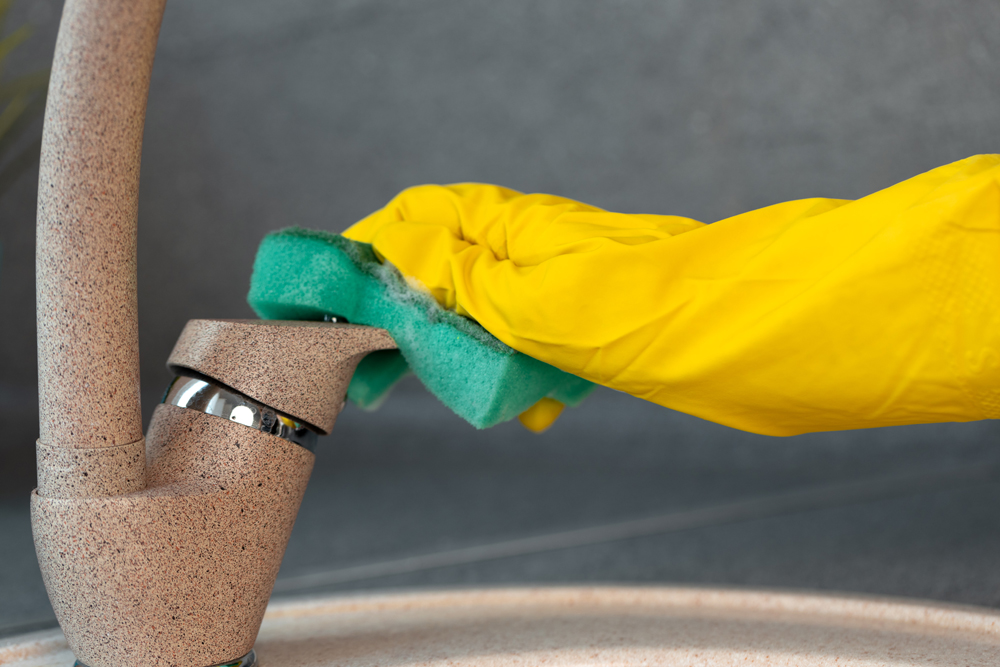
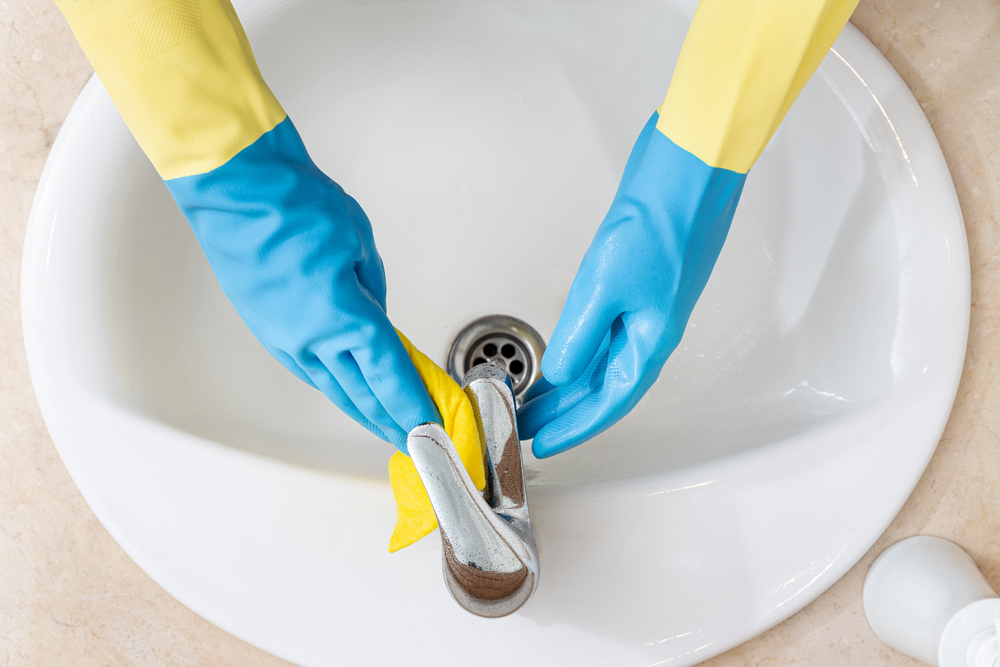
– Cleaning toilets and sinks with antibacterial agents
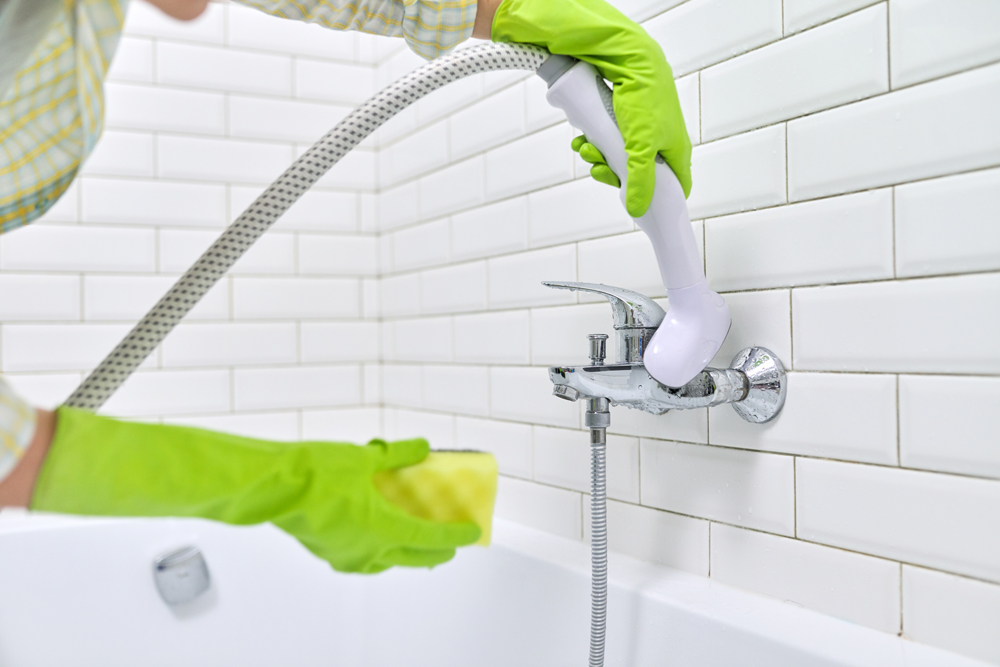
– Cleaning mirrors and tile surfaces
– Paper towel and soap refill
– Flavorings testing
4. Weekly and monthly cleaning jobs 📆
– Cleaning of walls, ceilings and ventilation grilles
– Defrosting and disinfection of refrigerators
– Cleaning shelves, cabinets, and areas behind tables
– Carpet cleaning (if any)
– Steam cleaning of tiles and crevices
– Professional cleaning of kitchen appliances (ovens, coffee machines)
5. Safety and compliance with norms ⚖️
- Create a HACCP cleaning plan that identifies areas, frequency, and responsible persons
- Keep cleaning protocols and logs (for PVD control purposes)
- Use certified products intended for food areas
- Train employees in hygiene and cleaning procedures
6. Inventory – what to use for professional cleaning 🧽
- Color-coded rags and brushes
- Microfiber mops and buckets
- Steam cleaner and/or high-pressure washer
- Non-abrasive, food-safe cleaning products
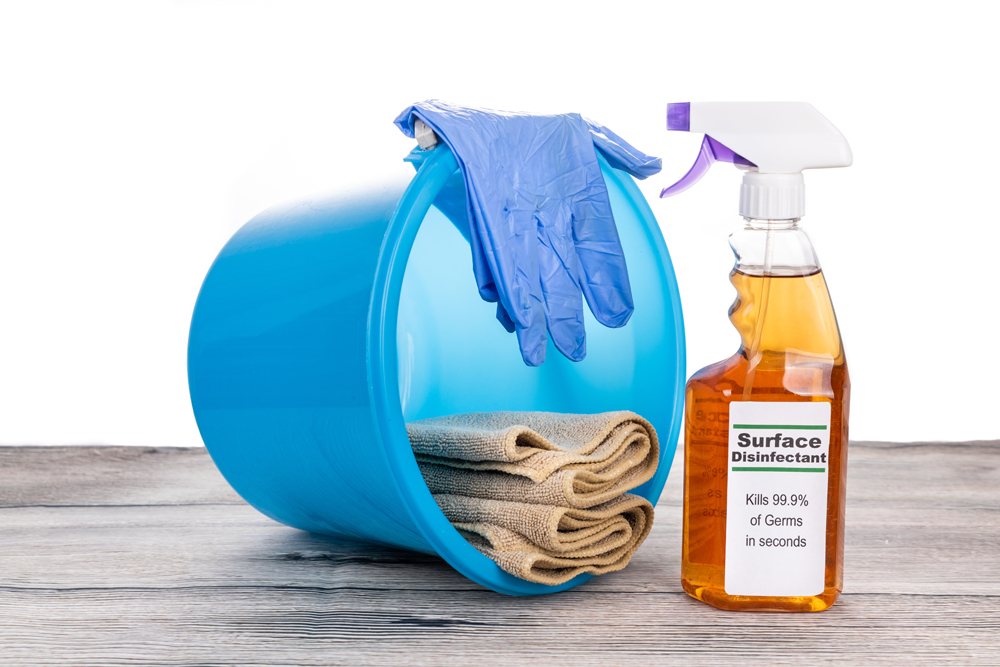
- Gloves, aprons, protective masks
7. An ecological approach to restaurant cleaning ♻️
– Choose eco-friendly products without chlorine and fragrances
– Reduce plastic wipes by using washable microfiber cloths
– Dose the products correctly to avoid overuse
– Ventilate rooms regularly without using chemical air fresheners
8. Professional service – when is it needed? 👷♂️
– General cleaning 1–2x per month
– Deep cleaning of kitchen appliances (hoods, pipes, refrigerators)
– Cleaning hard-to-reach areas (under cabinets, in ventilation)
– Disinfection after a viral or bacterial outbreak
Conclusion
Restaurant or café cleanliness is not an option – it is a mandatory requirement that affects health, company reputation and legal liability . Regular, professional and documented cleaning ensures a sterile environment, satisfied customers and peace of mind for the owner.
Clean kitchen = safe meal = loyal customer!
