
Tips for allergy sufferers – how to keep your home dust-free
Breathe easy and live peacefully – a home that doesn’t irritate 🌬️ 🏠
For people with allergies, a clean environment isn’t just a matter of comfort—it’s a health necessity. Dust, mold spores, pet dander, and other allergens in the home can constantly irritate the respiratory tract, causing a runny nose, watery eyes, coughing, or even more serious symptoms. Fortunately, with the right approach, it’s possible to keep your home as dust- and allergen-free as possible.
Here are some practical and effective tips for allergy sufferers!
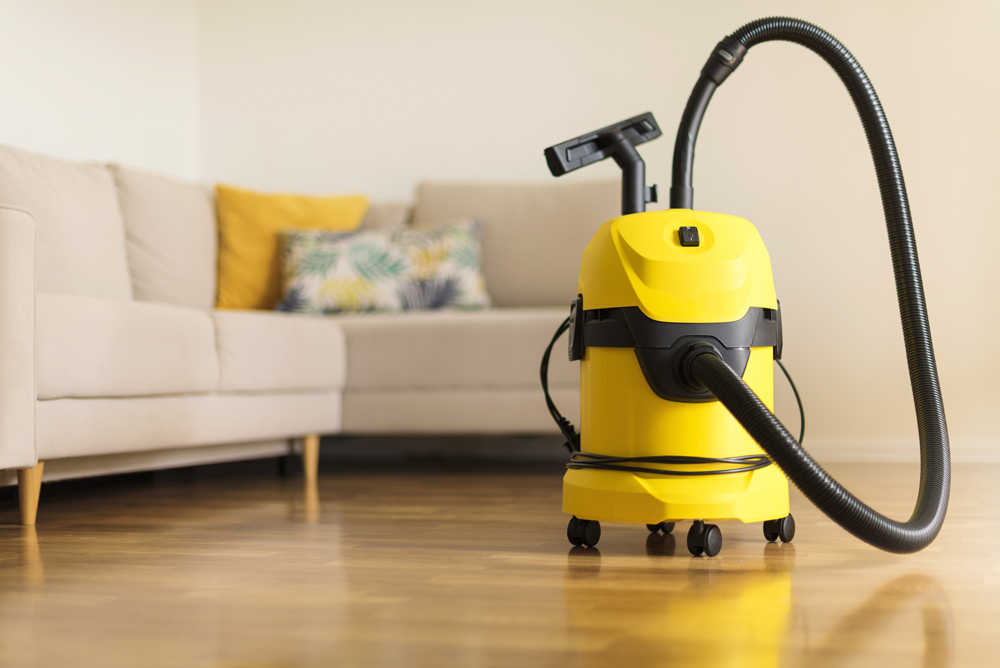
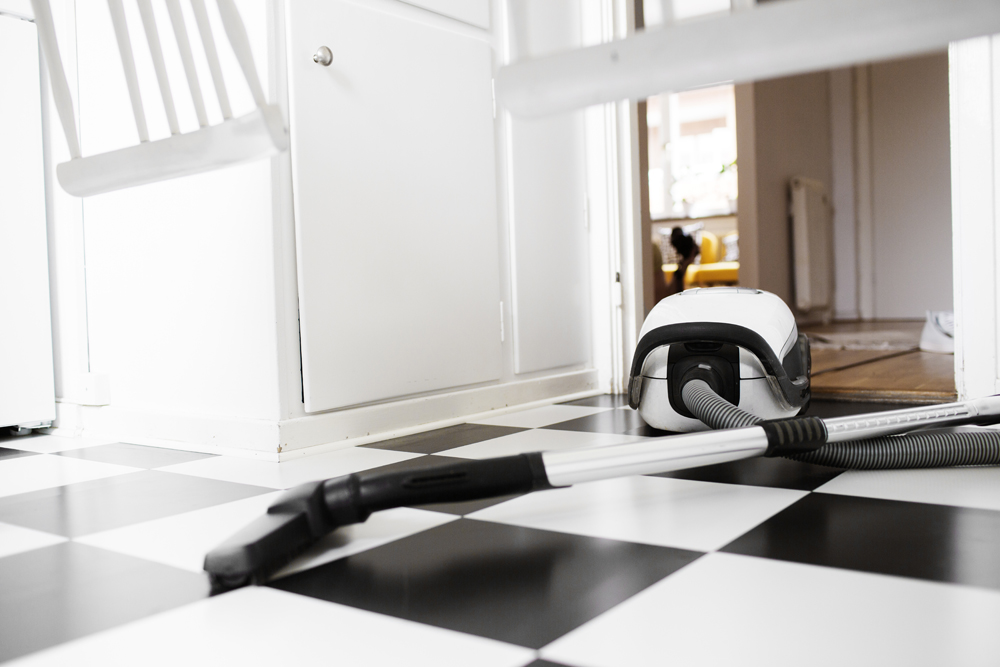
1. A vacuum cleaner with a HEPA filter – your best ally 🧹
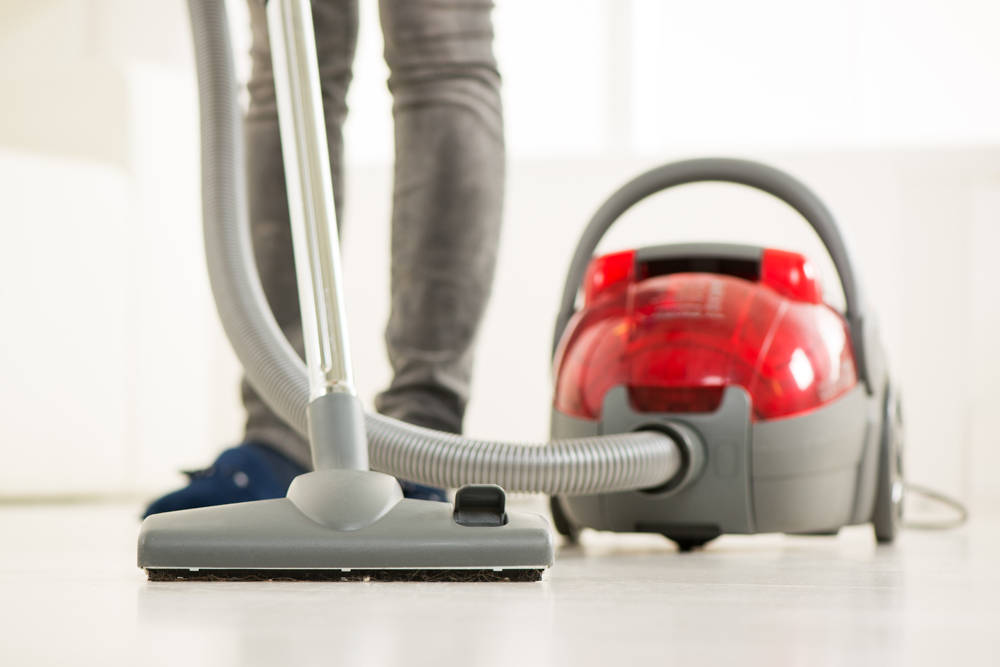
– Choose a vacuum cleaner with a HEPA filter , which traps even microscopic particles
– Vacuum at least 2-3 times a week , especially carpets, mattresses and sofas
– Change or wash filters regularly – otherwise the effect will be minimal
Tip: Avoid regular hand vacuums – they only raise dust into the air!
2. Floor coverings – less textiles, more cleanliness 🧼
– Hard floors (laminate, tiles, parquet) are much friendlier to allergy sufferers than carpets
– If you still need a rug – choose one that is low-pile and washable.
– Sweep or wash floors at least twice a week , preferably with a damp mop
3. Less decor, more health ❌
– Allergens accumulate on pillows, curtains, soft toys, decor
– Minimalist style is not just a fashion – it is also less space for dust!
– Choose curtains that are easy to wash , or replace them with blinds
4. Air quality is a key factor 🌬️
– Ventilate the rooms every day for at least 10–15 minutes
– Use an air purifier with a HEPA filter that continuously cleans the air of allergens
– Maintain air humidity at 40–50% – too dry or humid air promotes the spread of allergens
– Don’t overheat the room – high temperature + dryness = more irritation
5. Bedding – a source of cleanliness or a repository of allergens? 🛏️
– Wash pillowcases, duvet covers and sheets once a week at 60°C
– Use anti-allergic mattress and pillow covers
– Replace pillows and blankets every 2 years
– Vacuum the mattress regularly with a HEPA vacuum cleaner
6. Pets – cute, but allergic 🐾
– Restrict pets from entering the bedroom
– Wash animals regularly (as needed and as recommended by your veterinarian)
– Clean floors and furniture more often if you have a cat or dog at home
– Choose furniture with smooth surfaces that are easy to wipe clean of feathers
7. Rooms where mold hides ☣️
– Check the bathroom, kitchen, window sills, wall corners
– Use anti-mold products in areas with high humidity
– Install fans or dehumidifiers , especially after showering or cooking
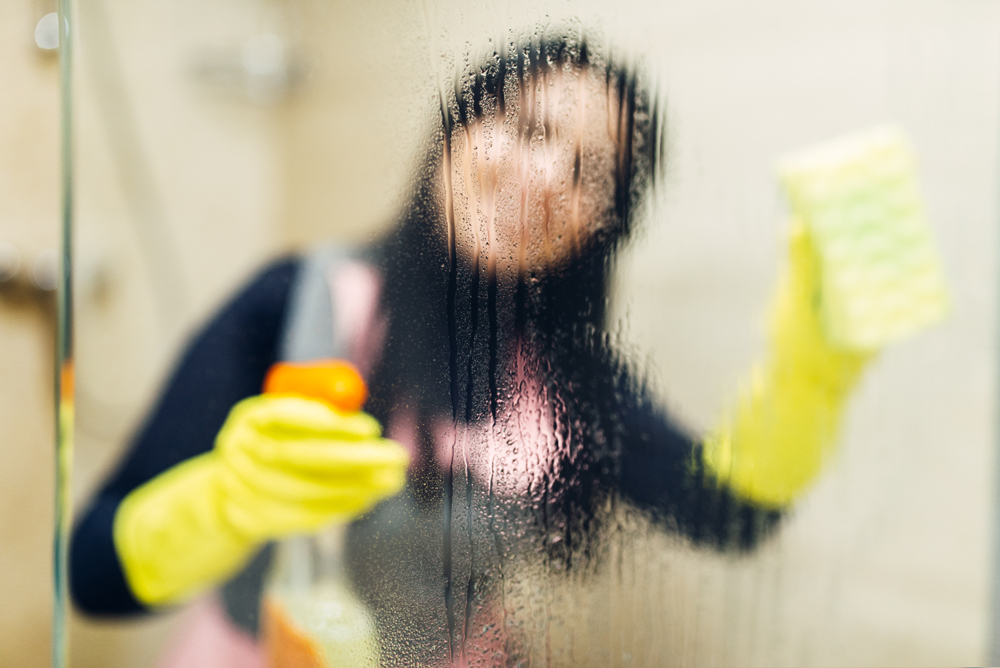
– Wash the shower curtain and tiles regularly
8. Fabrics and textiles – frequent washing 🧺
– Wash curtains, rugs, and decorative pillows once a month
– Avoid fabric blinds and thick blankets that cannot be washed
– Soft toys – washable only or with frequent cleaning
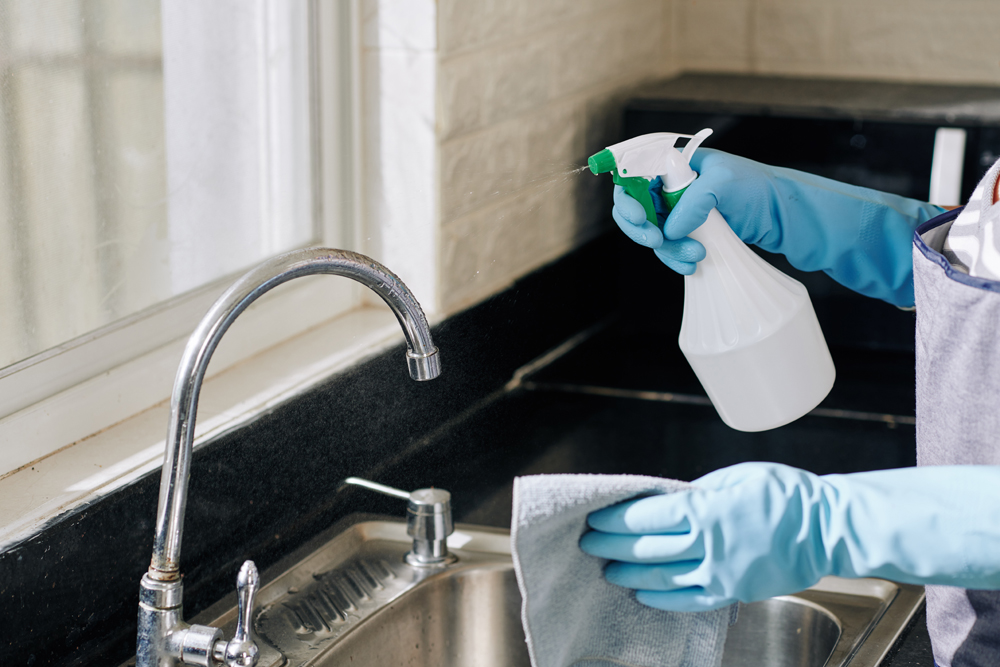
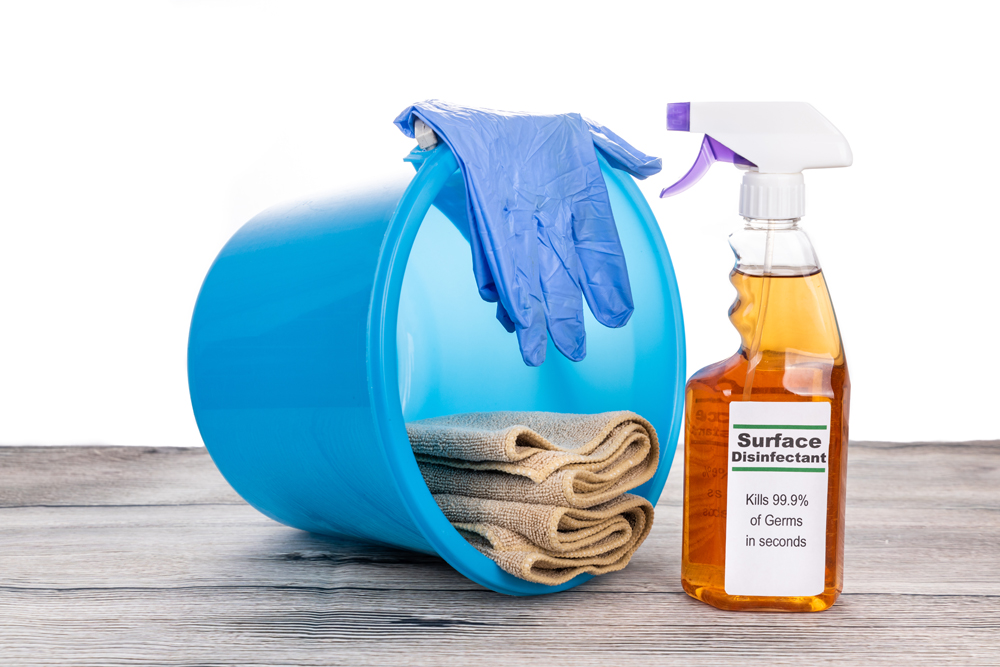
9. Use hypoallergenic cleaning products ♻️
– Choose organic, fragrance-free and dye-free products
– Avoid chlorine and strong fragrances – they irritate the respiratory tract
– You can use natural remedies: soda, vinegar, lemon juice
10. Regular maintenance, not big cleaning marathons 🧽
– It is better to clean often and in small doses than less often and with a dust storm
– Establish a daily cleaning routine :
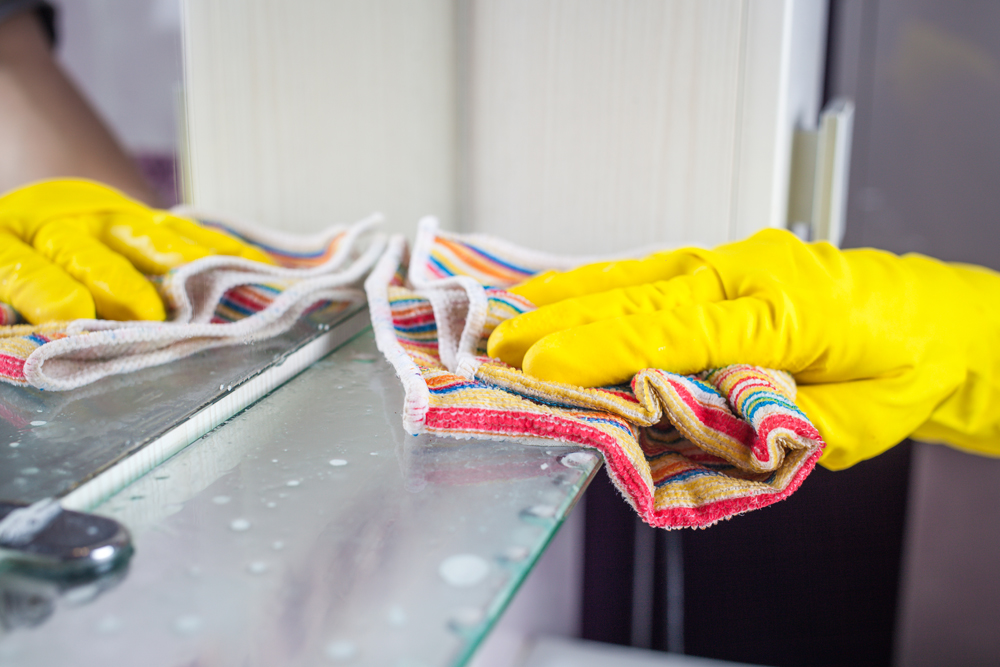
– Wipe surfaces
– Vacuum the most frequently used areas
– Ventilate and humidify the air
Conclusion
For allergy sufferers, home is not just a place to live – it is a refuge from outside irritants. By maintaining a clean, tidy and well-ventilated environment , you can significantly reduce allergy symptoms and live more peacefully. With a thoughtful approach and small daily habits , your home will become a place where you can truly breathe freely.
